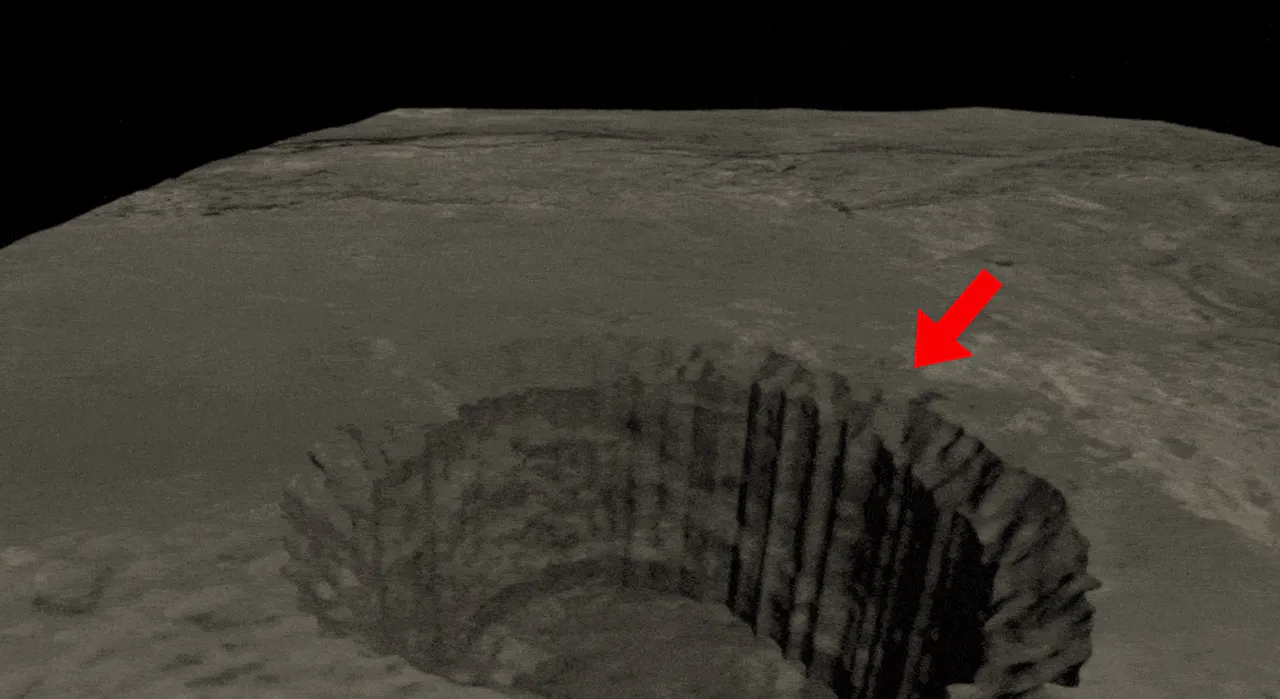
Deep beneath the Moon’s dusty surface lie enigmatic voids known as lunar pits—skylight openings into vast lava tubes that may hold invaluable insights into the Moon’s origins. These underground structures, formed billions of years ago during volcanic activity, remain largely unexplored. NASA’s recent Artemis program and international robotic missions aimContinue Reading
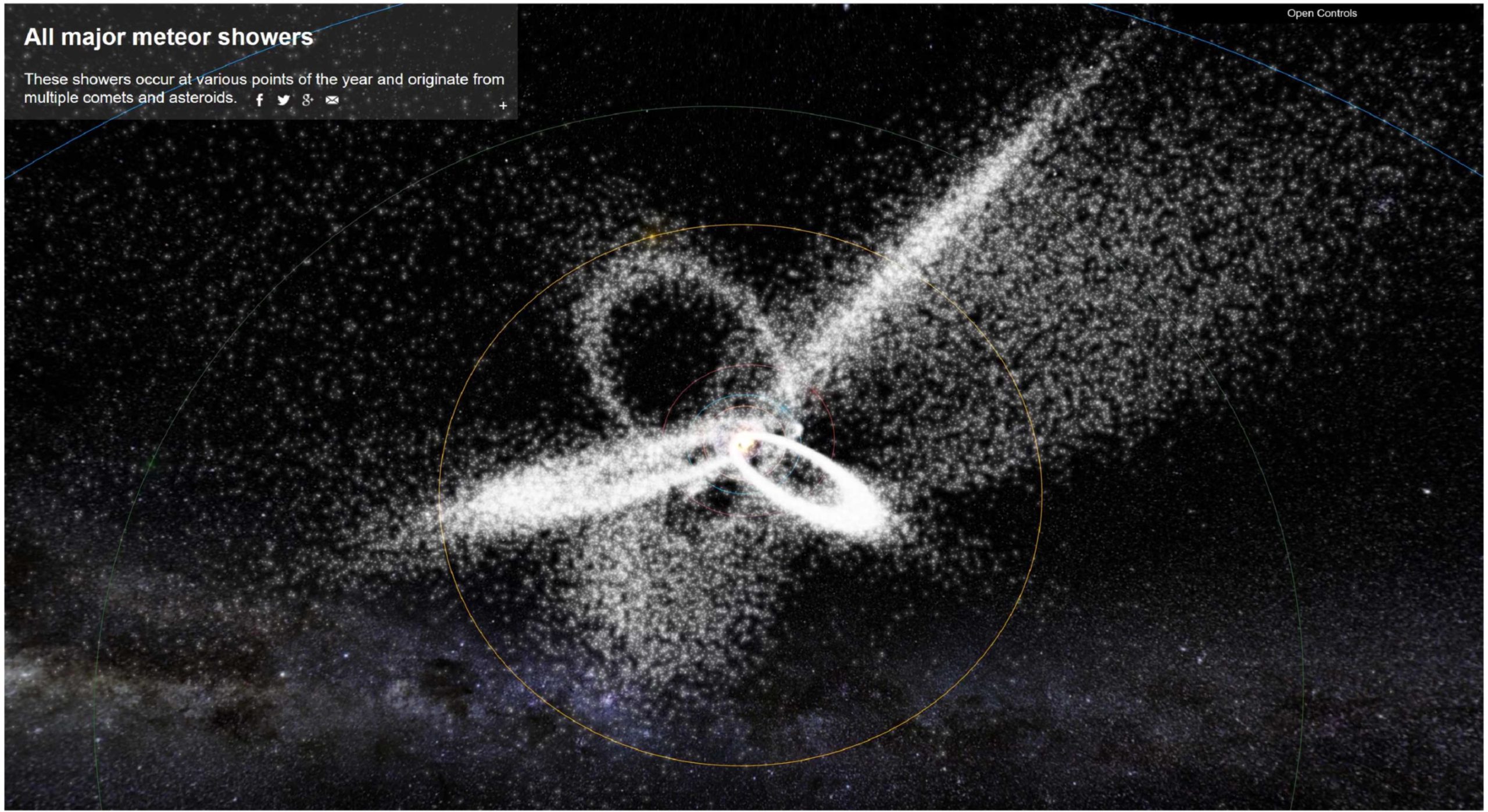
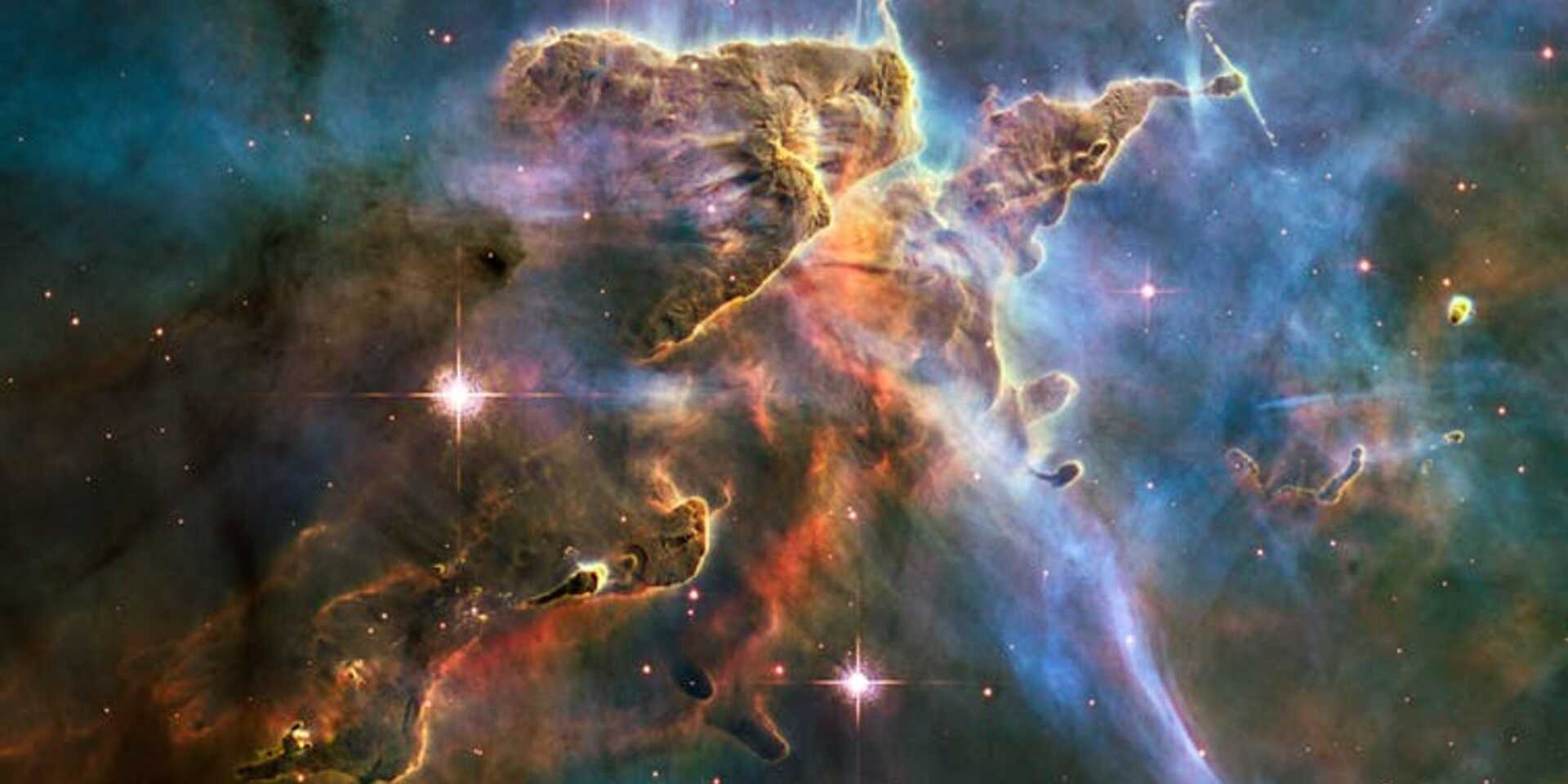
While the Moon is Earth’s only large natural satellite, few know about the mysterious Kordylewski clouds—massive dust accumulations that orbit near Earth’s Lagrange points L4 and L5. First reported in 1961 by Polish astronomer Kazimierz Kordylewski, these clouds are difficult to detect due to their faint visibility and constantly shiftingContinue Reading

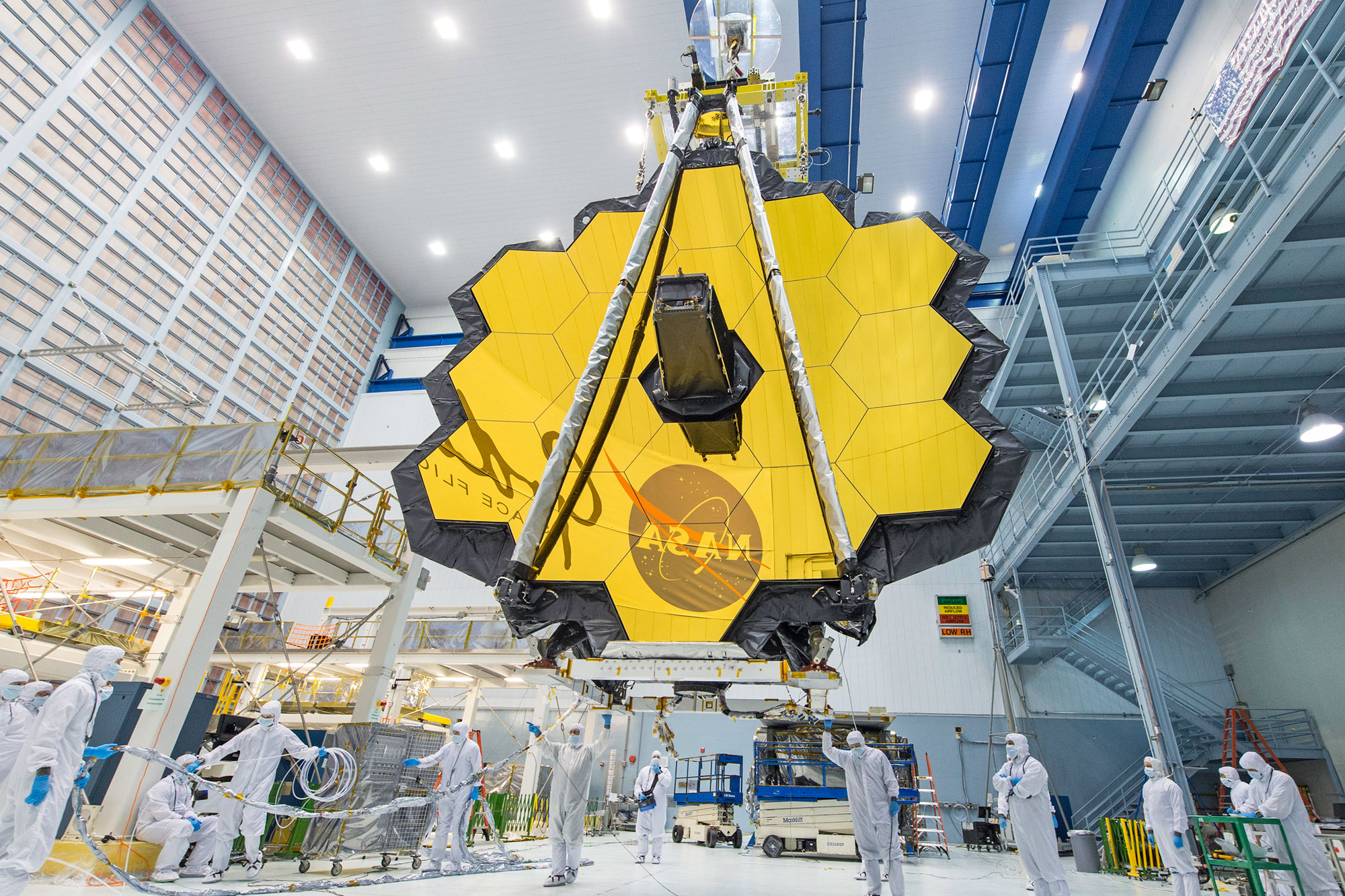
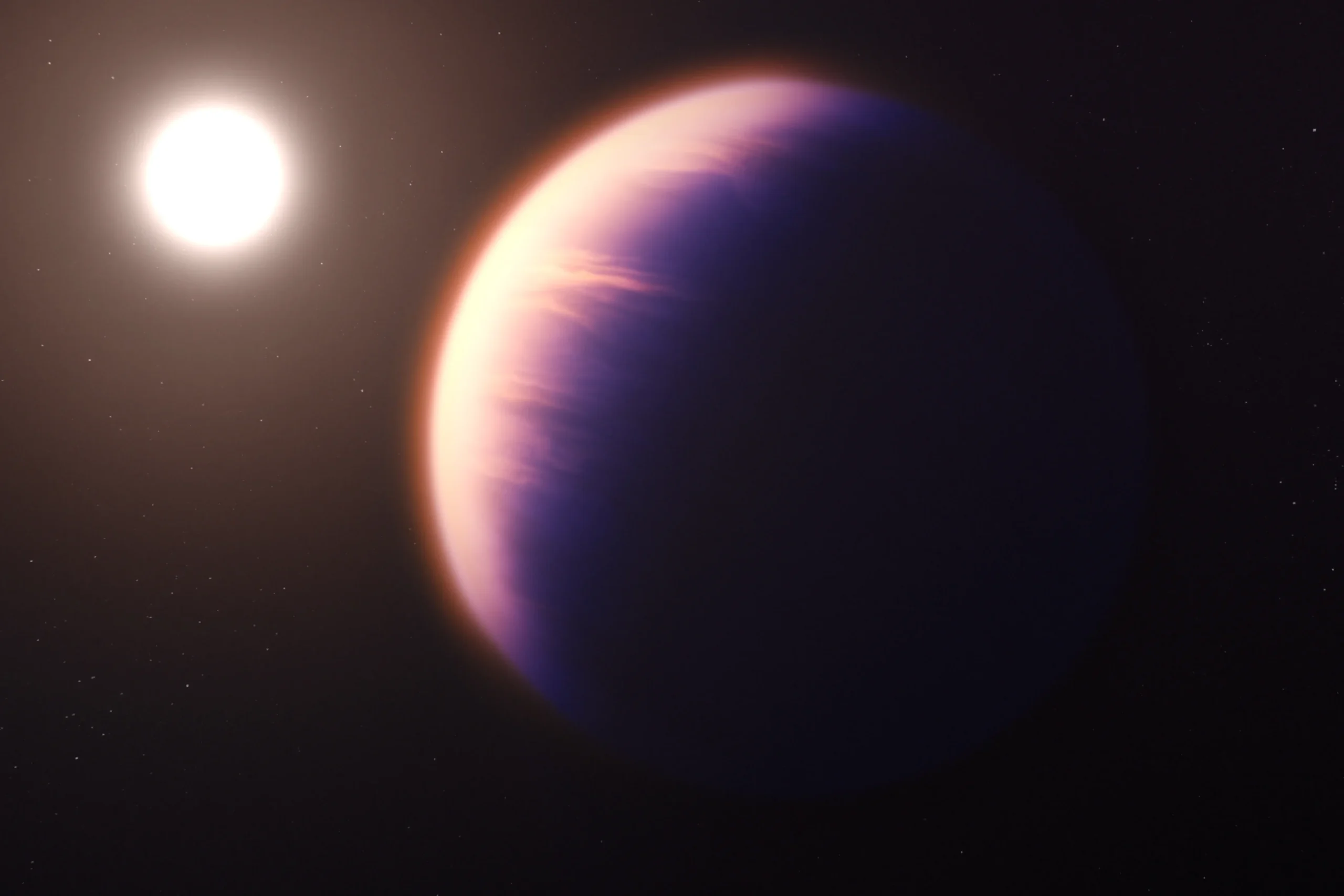
The James Webb Space Telescope (JWST), launched in December 2021, has ushered in a new era of space exploration—particularly in the search for habitable exoplanets. With its advanced infrared capabilities and precision optics, JWST can analyze the atmospheres of distant planets orbiting other stars, identifying biosignature gases like carbon dioxide,Continue Reading

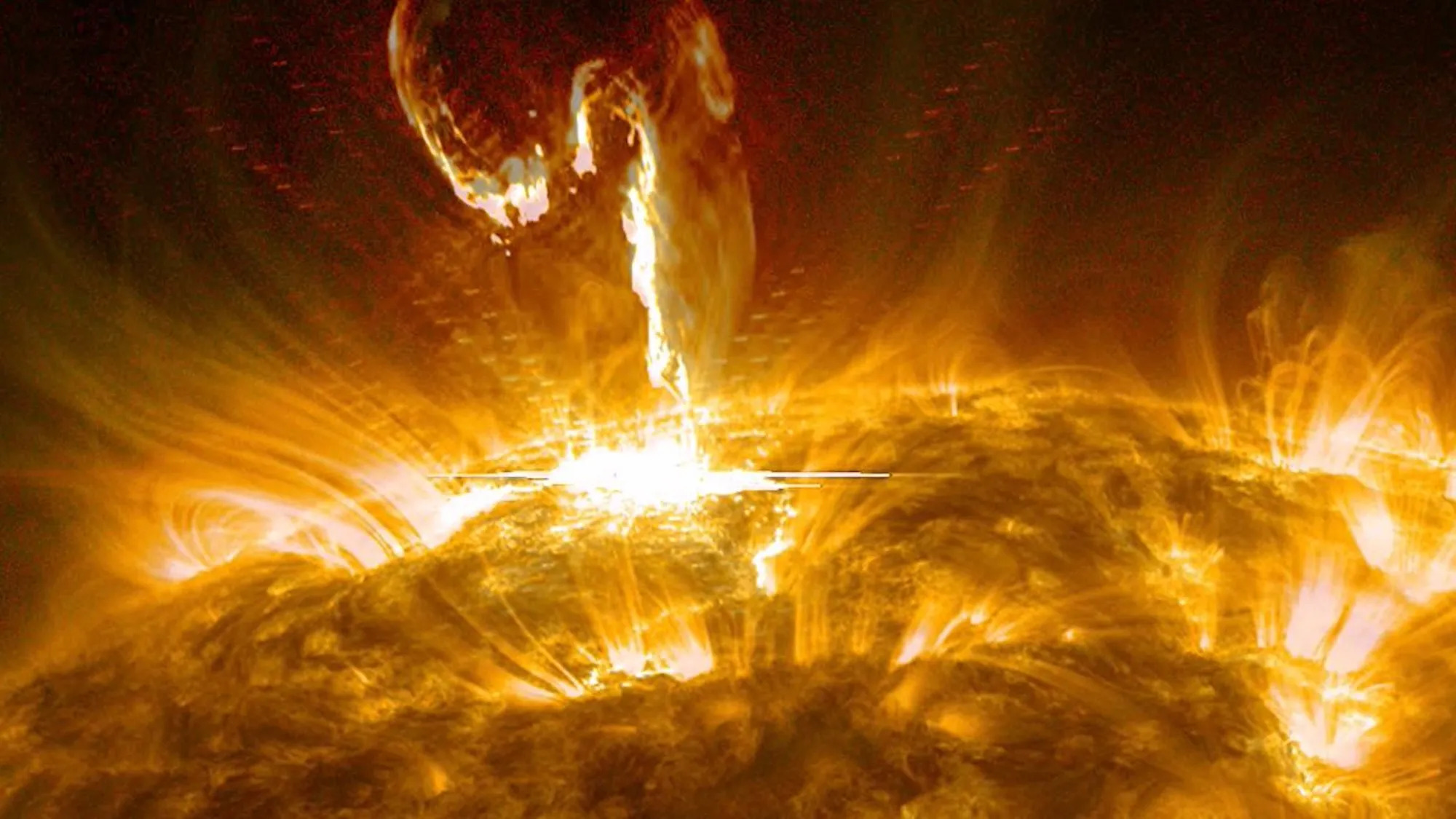
Solar flares are sudden, intense bursts of radiation from the Sun’s surface caused by magnetic energy release. These explosive events emit X-rays and charged particles that travel through space and can interact with Earth’s magnetosphere. While beautiful auroras often result, solar flares also pose serious risks to satellites, communication networks,Continue Reading

The year 2025 marks a pivotal moment in space exploration, driven by bold missions and advanced technologies. India has declared this the “Gaganyaan Year,” aiming to launch its first human spaceflight mission featuring the Vyommitra humanoid robot. Alongside this, the Chandrayaan-4 and Chandrayaan-5 lunar missions are underway, reinforcing India’s positionContinue Reading

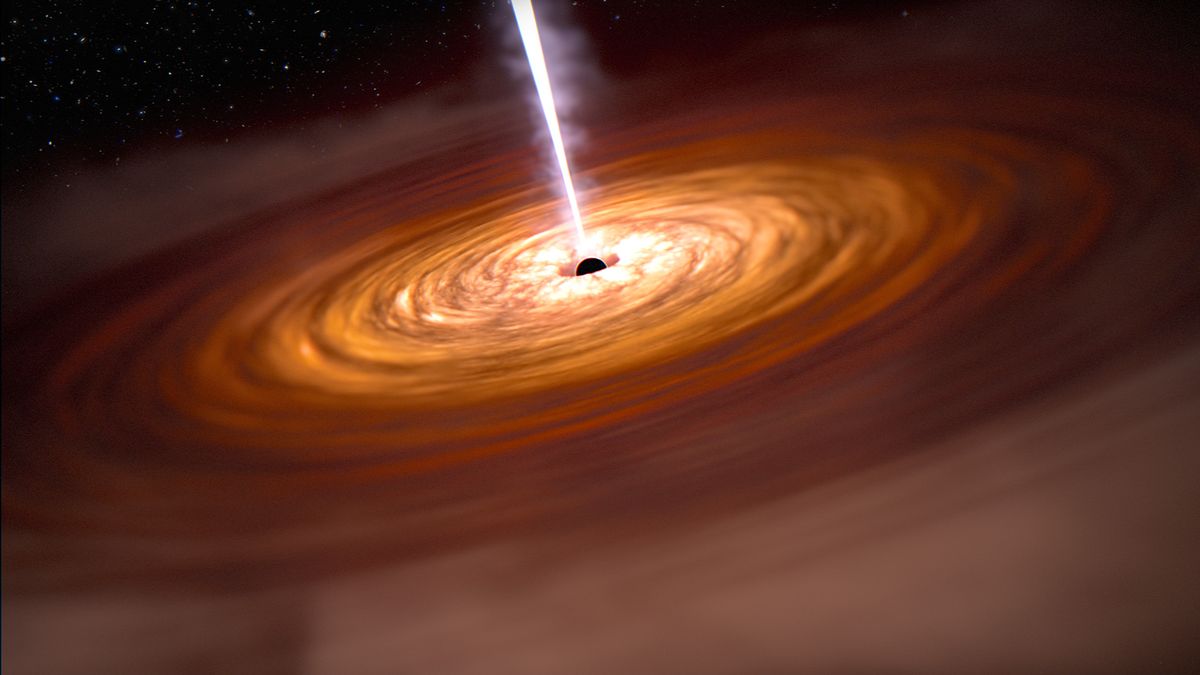
Quasars are among the most luminous and energetic objects in the universe, powered by supermassive black holes at the centers of distant galaxies. As matter spirals into these black holes, it heats up and emits massive amounts of light and radiation—outshining entire galaxies. Quasars are so bright that they canContinue Reading

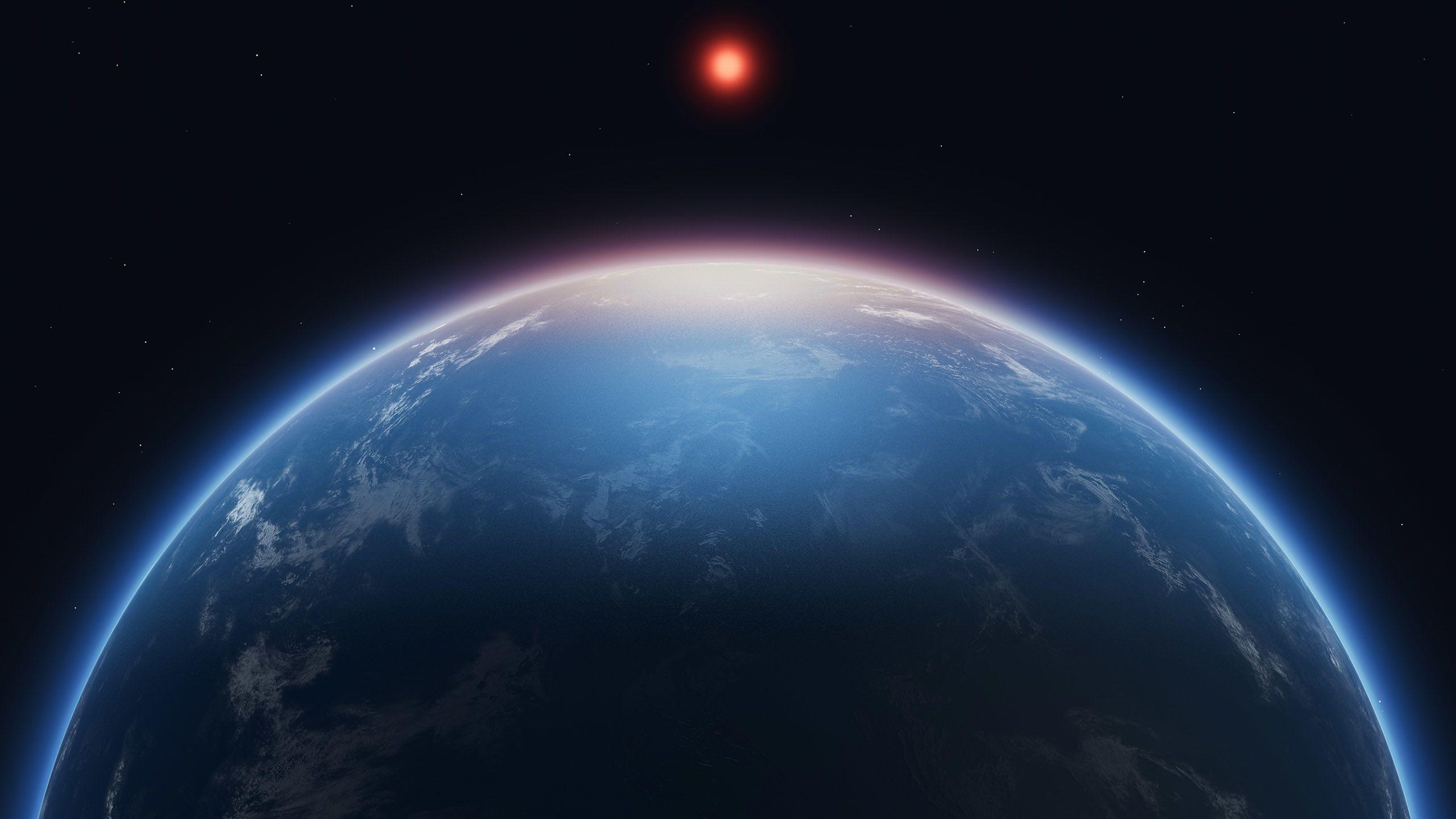
In a groundbreaking discovery, astronomers using the James Webb Space Telescope (JWST) have identified compelling signs of potential life on exoplanet K2-18b, located 124 light-years away in the constellation Leo. This “hycean” world, characterized by its ocean-covered surface and hydrogen-rich atmosphere, has revealed the presence of dimethyl sulfide (DMS) andContinue Reading

Astronomers have made a groundbreaking discovery by detecting carbon dioxide in the atmospheres of exoplanets within the HR 8799 system, located approximately 130 light-years from Earth. This marks the first time carbon dioxide has been directly observed on planets outside our solar system. The HR 8799 system, known for itsContinue Reading