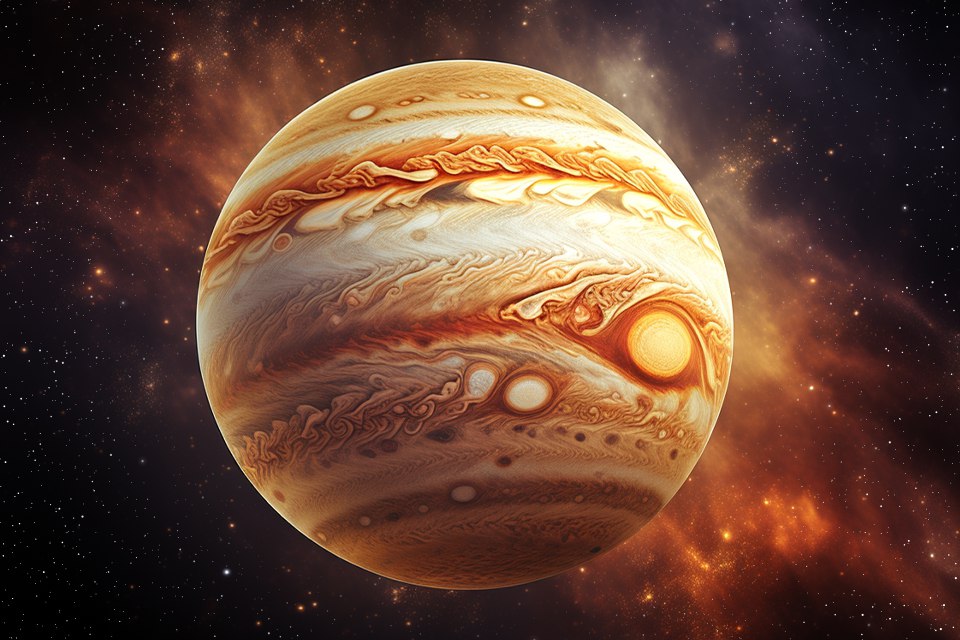
solsticeuniversity.com –  Jupiter, the fifth planet from the Sun, is the largest planet in our solar system. Often called the “king of planets,” Jupiter’s immense size, stunning atmospheric features, and intriguing moons have captivated astronomers for centuries. It is a gas giant, primarily composed of hydrogen and helium, and playsContinue Reading
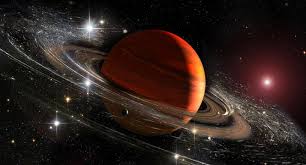

solsticeuniversity.com – Saturn’s iconic rings make it one of the most recognizable planets in the solar system. These rings have fascinated scientists and astronomers for centuries. But what exactly causes Saturn to have these rings? The answer lies in a combination of cosmic events, gravitational forces, and the planet’s uniqueContinue Reading

solsticeuniversity.com – The Moon, Earth’s only natural satellite, is not just a celestial object that brightens our night skies—it plays a crucial role in shaping life on our planet. From stabilizing Earth’s rotation to influencing the tides, the Moon’s presence has profound effects on Earth’s ecosystems, geology, and even humanContinue Reading

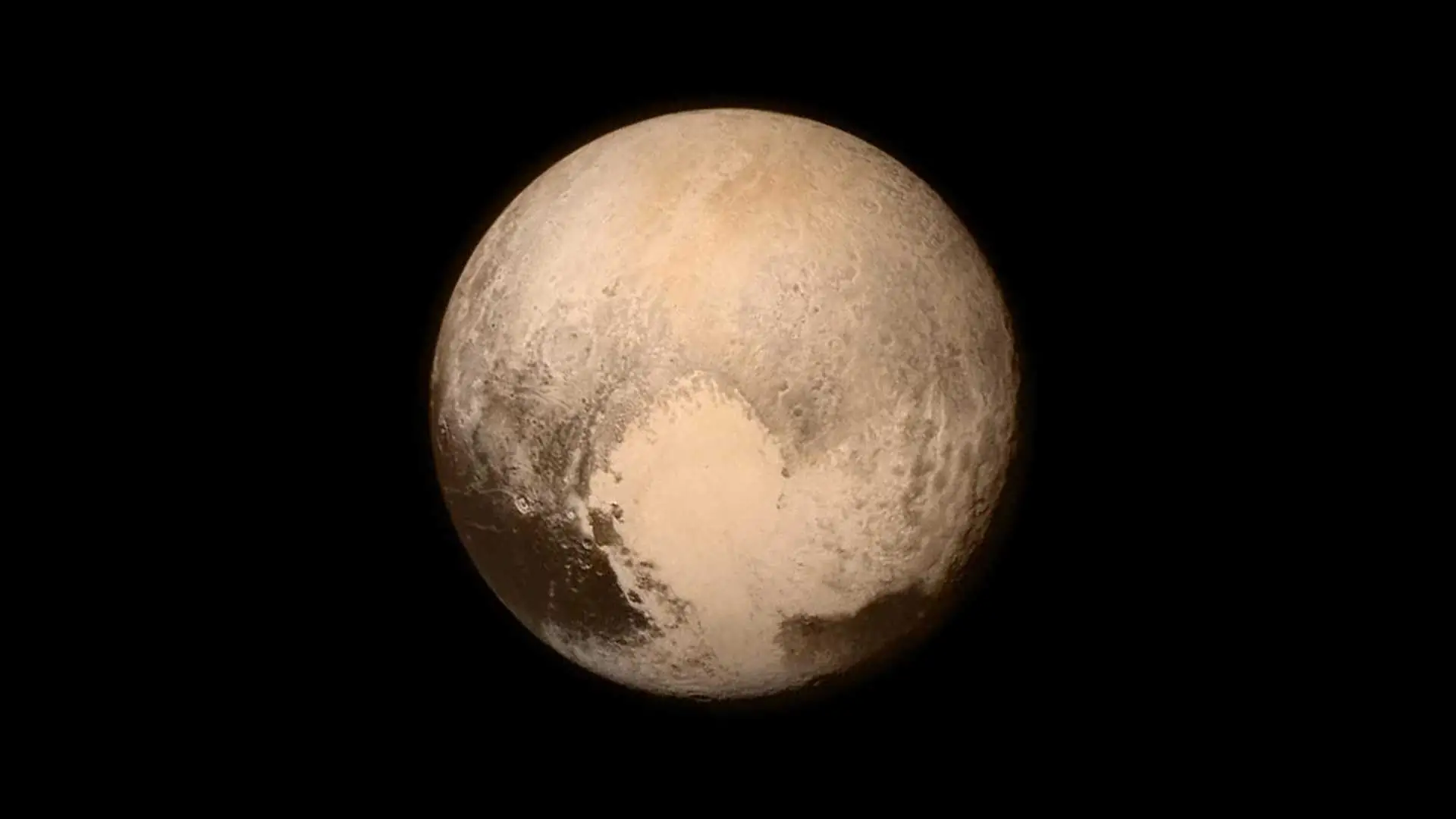
solsticeuniversity.com – For many years, Pluto was celebrated as the ninth planet in our solar system. However, in 2006, the International Astronomical Union (IAU) redefined the criteria for what constitutes a planet, leading to Pluto’s reclassification as a “dwarf planet.” This decision sparked debates among scientists and the public. ThisContinue Reading

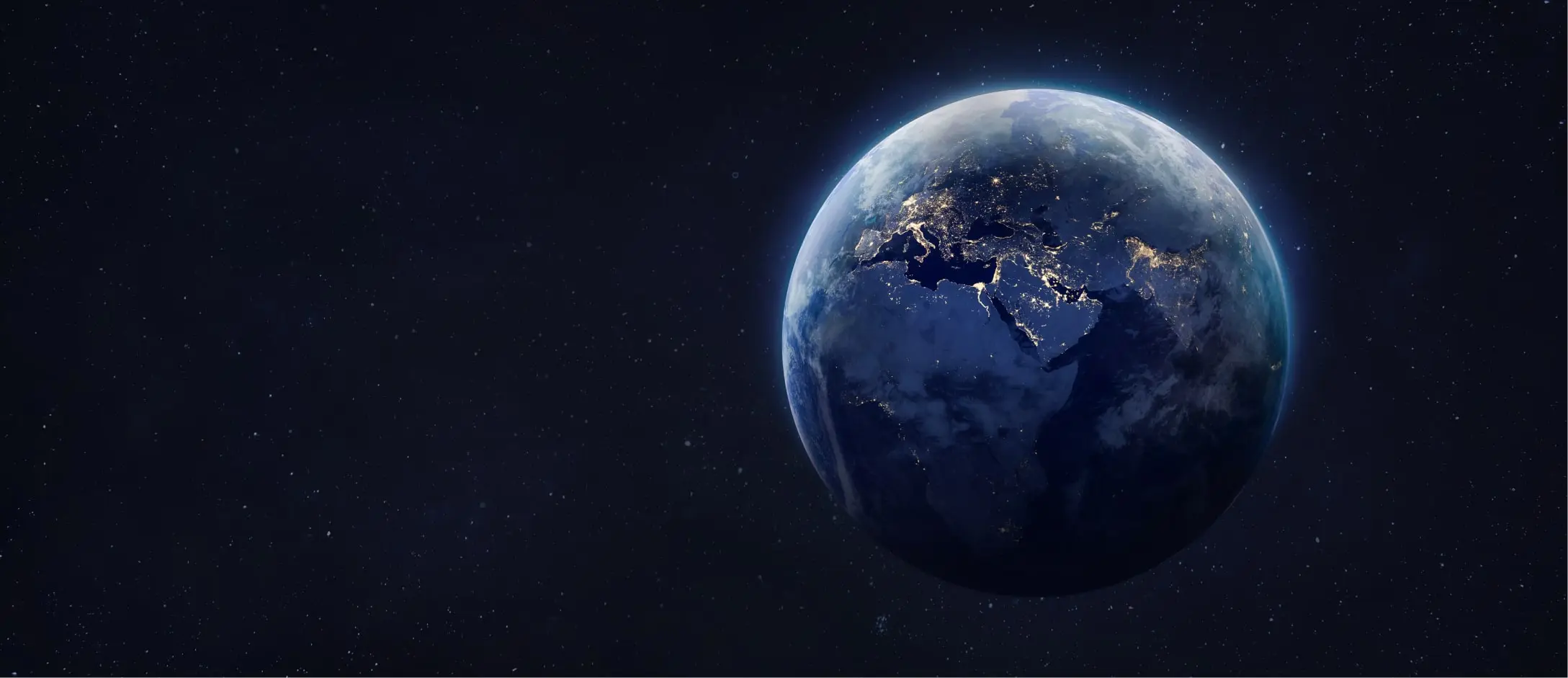
solsticeuniversity.com – The Earth is about 4.54 billion years old. This age has been determined through several scientific methods, primarily radiometric dating, which is used to measure the age of rocks and other materials by analyzing the decay of radioactive elements. 1. Radiometric Dating Explained Radiometric dating, specifically uranium-lead dating,Continue Reading