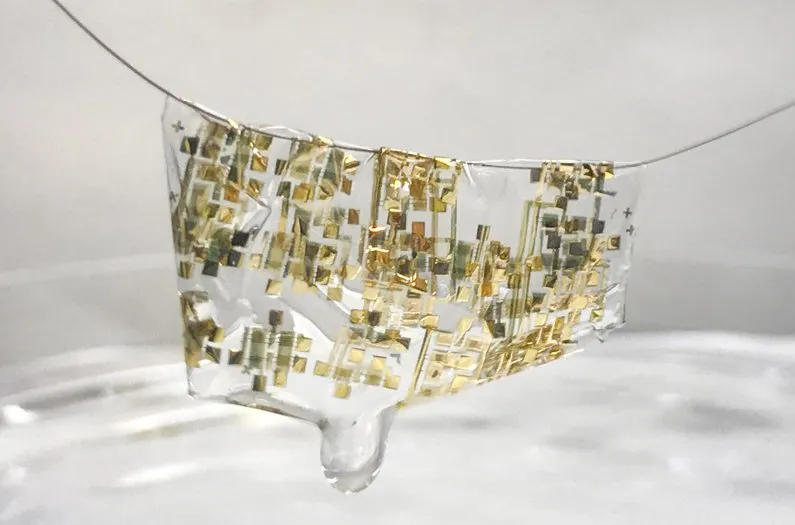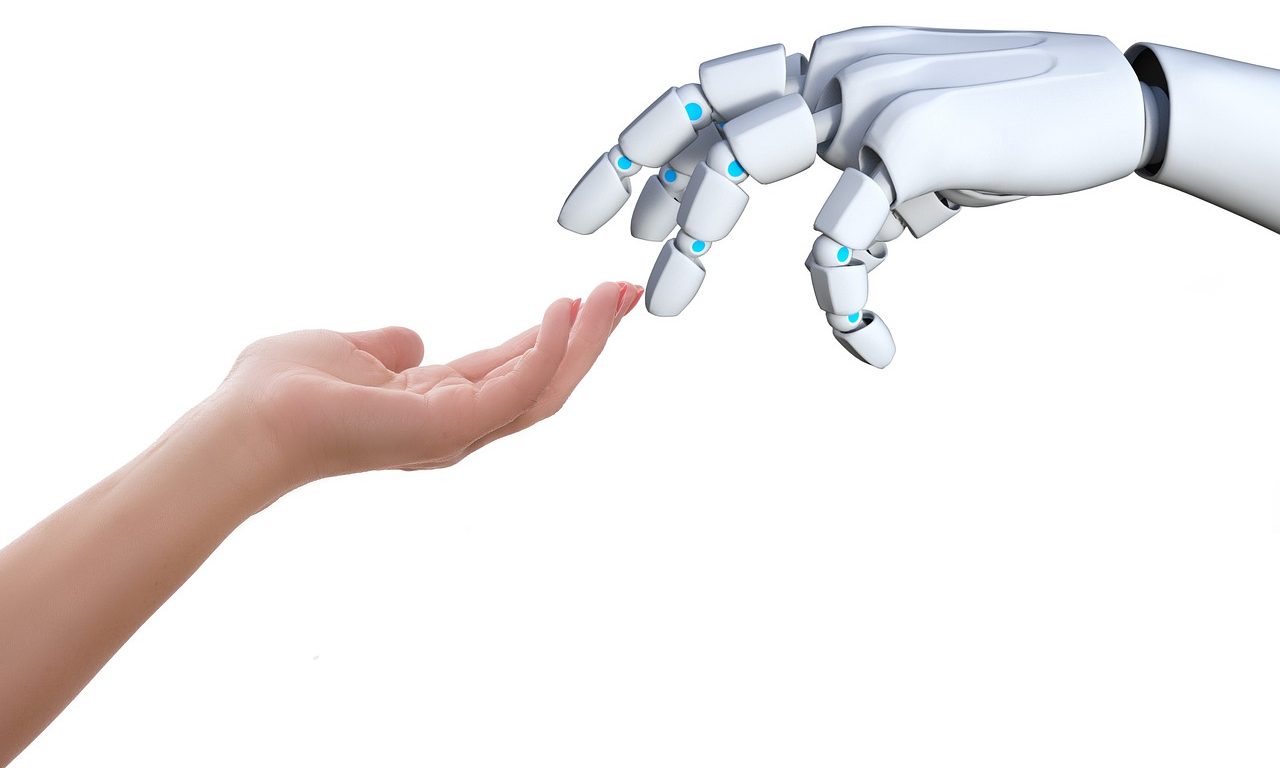
As global e-waste continues to skyrocket past 60 million tons annually, researchers are turning toward a new frontier — biodegradable electronics. These devices, designed to decompose naturally after their lifespan, merge sustainability with innovation. Using materials like silk protein, cellulose, and zinc-based circuits, biodegradable tech minimizes toxic waste while preservingContinue Reading
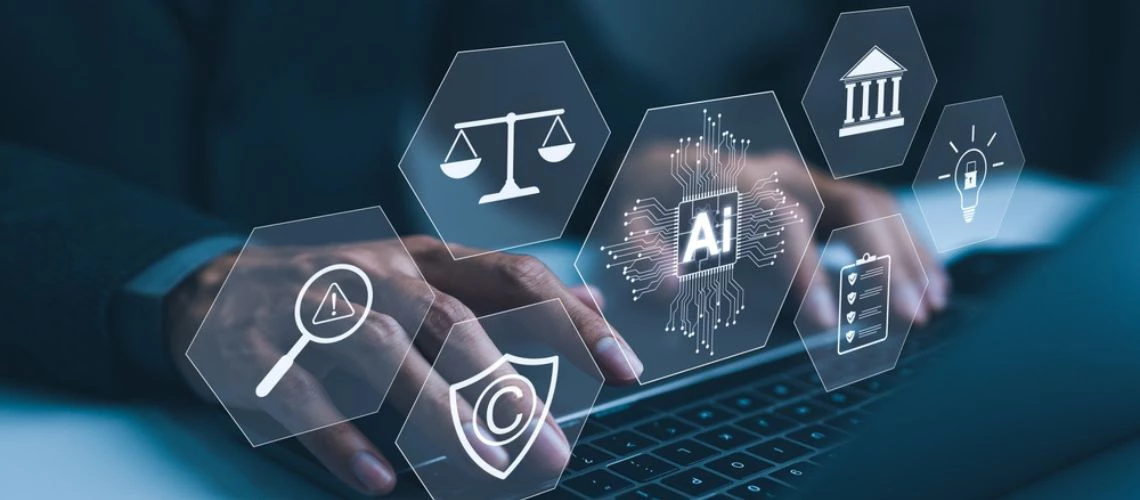

In an era where AI, drones, and sensor networks are transforming our response to natural disasters, it’s not enough to innovate—we must also govern innovation responsibly. Recent research emphasizes the importance of establishing structured decision-making frameworks in safety-critical domains like disaster management. One example is a study that proposes aContinue Reading

Quantum computing—though still in development—has already sparked significant innovation in cybersecurity. This technology applies the principles of quantum physics to solve algorithms once thought unbreakable by classical computers. Implementations such as quantum key distribution (QKD) have been tested in real-world trials, demonstrating real potential for building communication systems resistant toContinue Reading

Imagine microscopic sensors scattered through the air, quietly collecting data about temperature, movement, or even chemical composition—this is the reality of Smart Dust, a rapidly advancing technology that blurs the line between science fiction and innovation. Also known as microelectromechanical systems (MEMS), these tiny particles are essentially miniature computers withContinue Reading

As the world becomes increasingly reliant on technology, electronic waste (e-waste) has surged to alarming levels—posing environmental and health risks worldwide. Enter biodegradable electronics, a groundbreaking innovation poised to revolutionize how we manufacture and dispose of devices. These eco-friendly alternatives are designed to decompose naturally after use, drastically reducing long-termContinue Reading

Digital twin technology is transforming the way industries design, monitor, and optimize systems. A digital twin is a virtual replica of a physical object, system, or process, powered by real-time data. Used in sectors like manufacturing, aerospace, and urban planning, these simulations allow for precise testing, predictive maintenance, and streamlinedContinue Reading

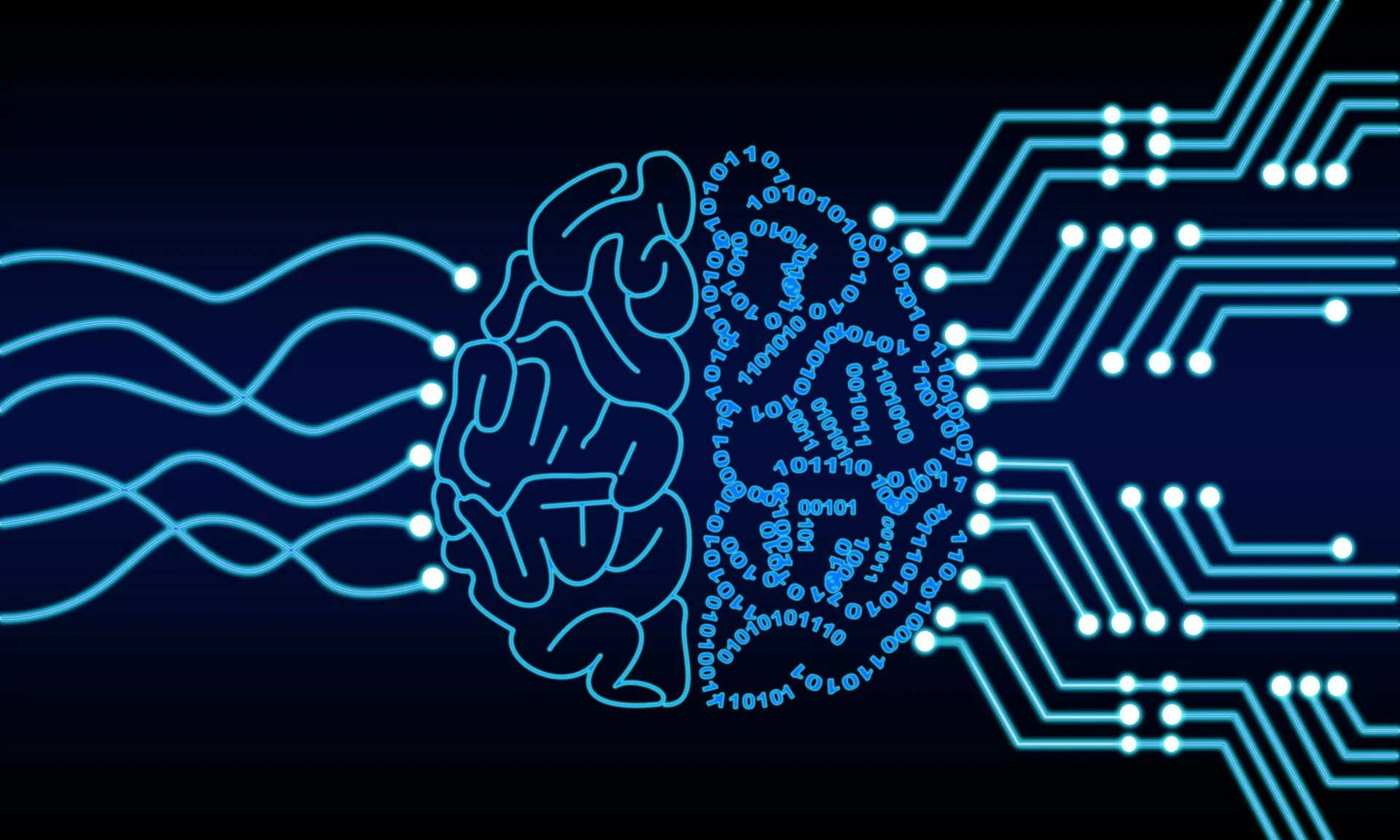
Neuromorphic computing is revolutionizing the future of technology by attempting to mimic the architecture and efficiency of the human brain. Unlike traditional processors, which process data sequentially, neuromorphic chips are designed to process information in parallel, using networks of artificial neurons and synapses. This results in faster processing speeds andContinue Reading

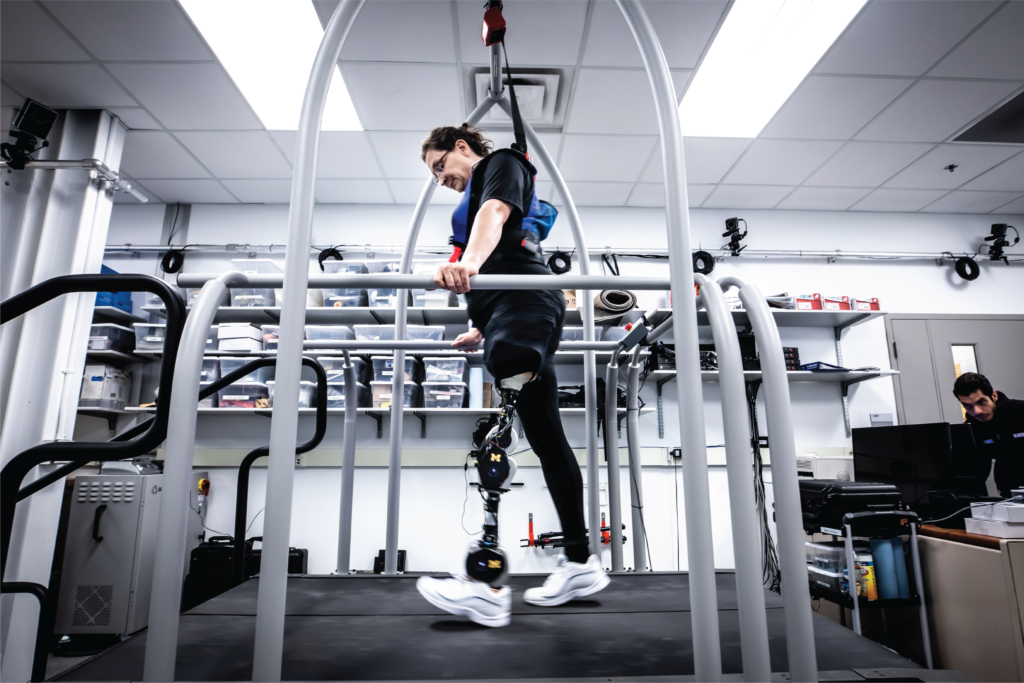
Smart prosthetics powered by artificial intelligence (AI) have made significant breakthroughs in the medical world, offering new hope for individuals with amputations. This technology allows prosthetics to learn and adapt to the user’s movement patterns, creating a more natural and responsive experience. For example, AI-powered prosthetic hands can adjust theirContinue Reading

solsticeuniversity.com – In 2025, fashion meets technology in a thrilling new way: haptic wearables. These innovative garments and accessories use tiny vibrations and pressure sensors to let you feel your digital world, blending style with sensation. Unlike the smartwatches and fitness trackers dominating tech headlines, haptic fashion offers a tactileContinue Reading